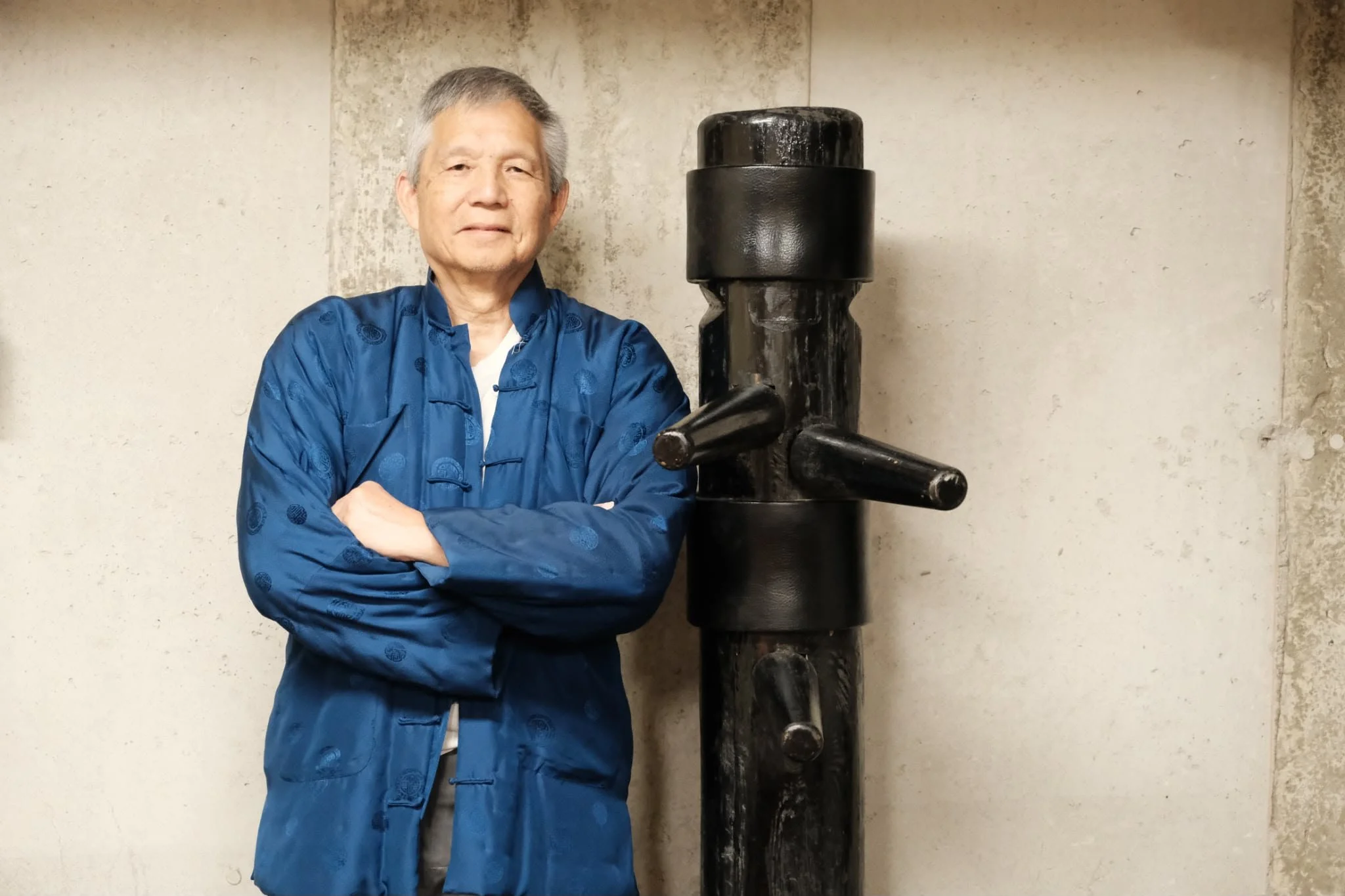
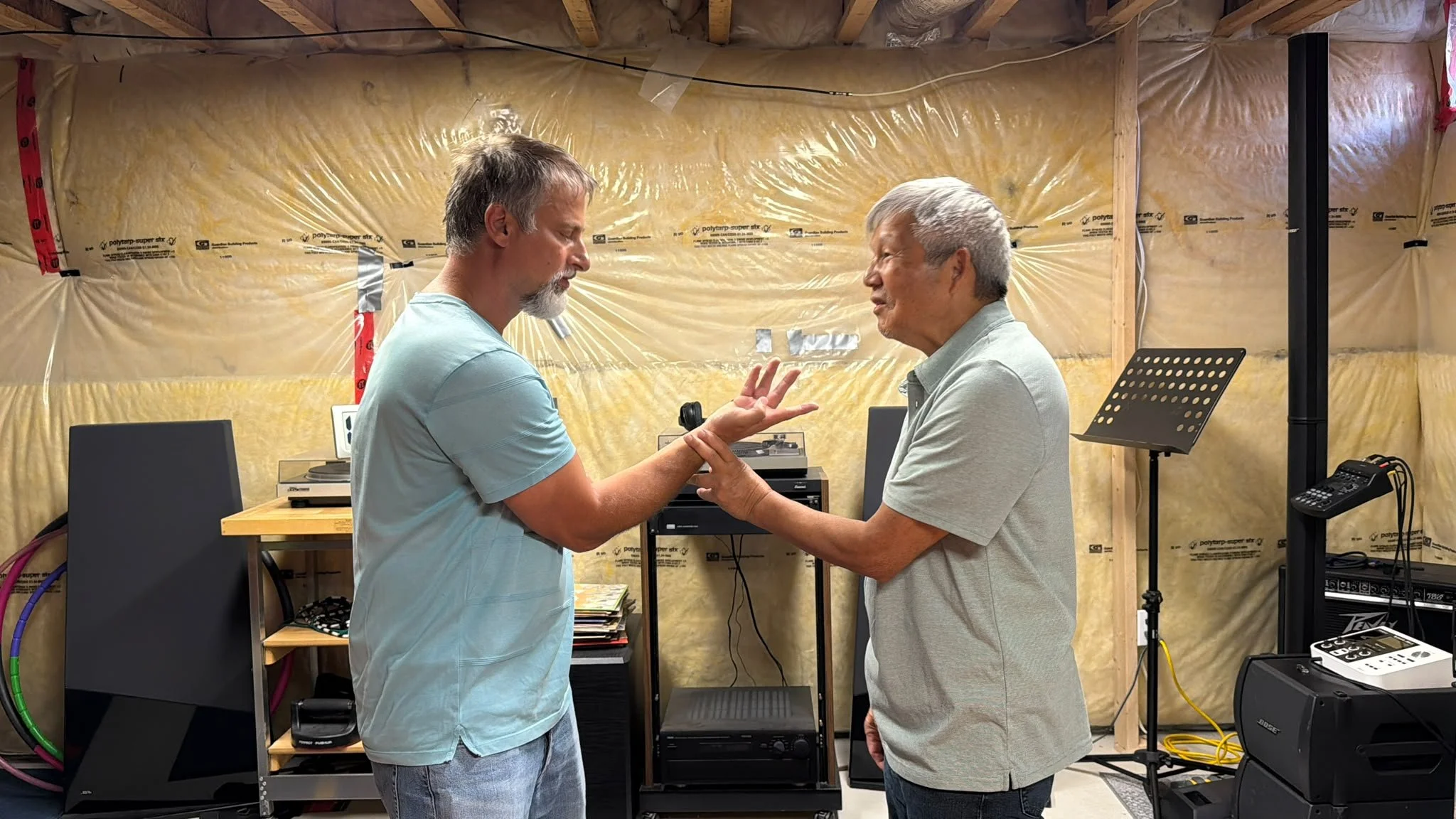
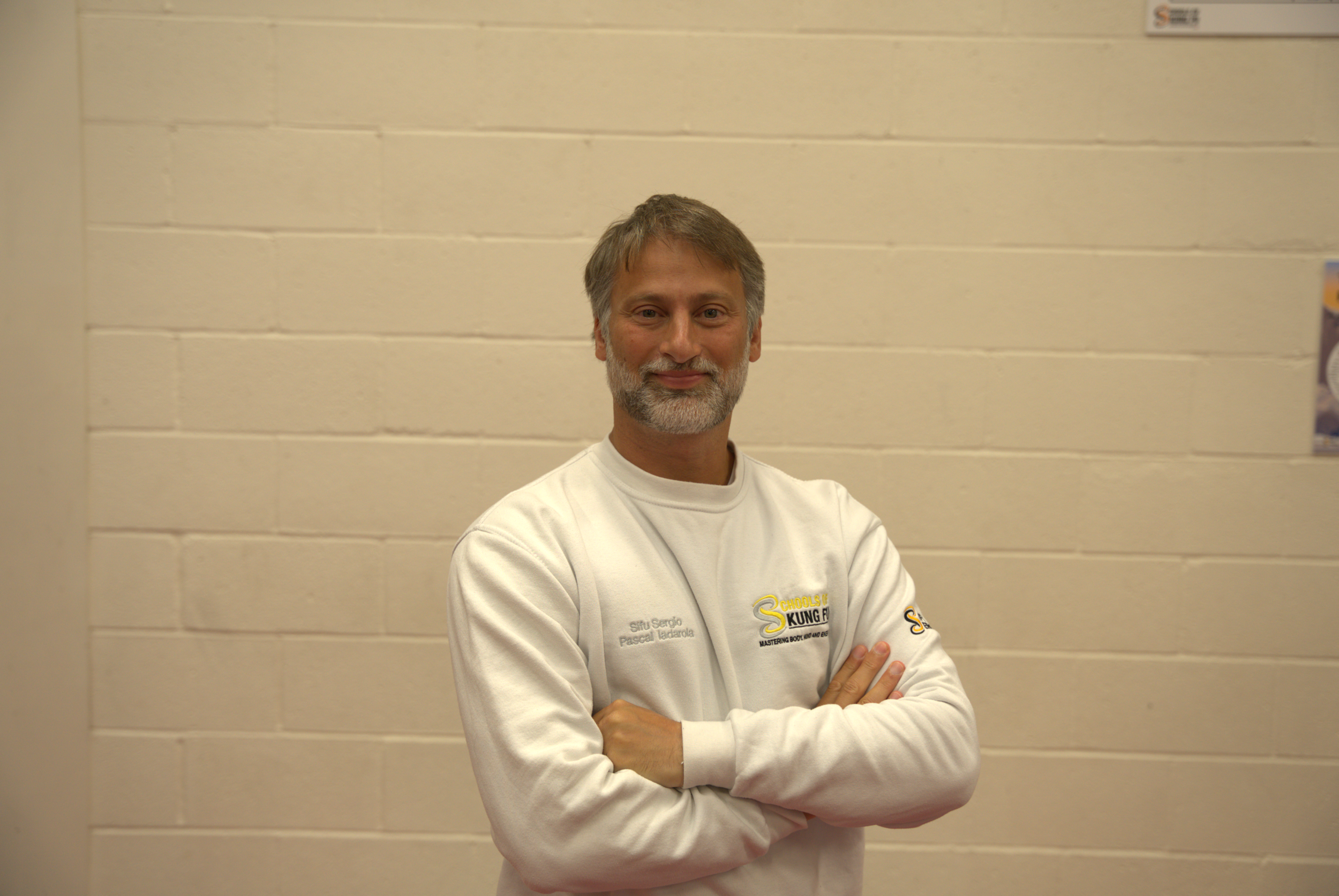
Introducing Sifu Wong Kwong Lun
A lifelong pursuit of Snake Crane Wing Chun: An Interview with Sifu Wong Kwong Lun
The Journey Begins: A Biography of Wong Kwong Lun (黃廣麟)
I was born in Hong Kong in the early 1950s, a time when China was gripped by political turmoil and uncertainty cast a long shadow over the region. As events unfolded across the border, many of China’s most renowned Kung Fu masters sought refuge in Hong Kong. Bringing with them generations of martial knowledge, they established schools throughout the city to preserve their arts and traditions. Almost overnight, Hong Kong became a living museum of Chinese martial arts, and I was fortunate to grow up during this extraordinary golden age.
For young boys of my generation, Kung Fu was far more than a hobby; it was a way of life. It seemed that every other schoolboy was training in one style or another. At the age of twelve, my father introduced me to Hung Kuen under the legendary Sifu Chan Hon Chung. What began as a childhood activity soon became a lifelong passion. Over the years, I immersed myself in a wide range of martial arts, including Karate, Muay Thai, and Liu He Ba Fa, always searching for deeper understanding and greater skill.
Then, one cold night during the Chinese New Year celebrations, fate intervened.
Hong Kong in the late 1960s could be a dangerous place after dark. After spending the evening at my girlfriend’s family gathering, I left the celebration at around two o’clock in the morning with one of her younger brother’s friends. The streets were almost deserted, so we decided it would be wiser to take a taxi home.
As the taxi made its way through the sleeping city, I found myself giving an impromptu lecture on the importance of learning Kung Fu for self-defence. The driver listened quietly at first, then began asking thoughtful questions—questions that revealed a depth of knowledge far beyond that of an ordinary taxi driver.
The conversation continued for several minutes before he finally revealed his identity.
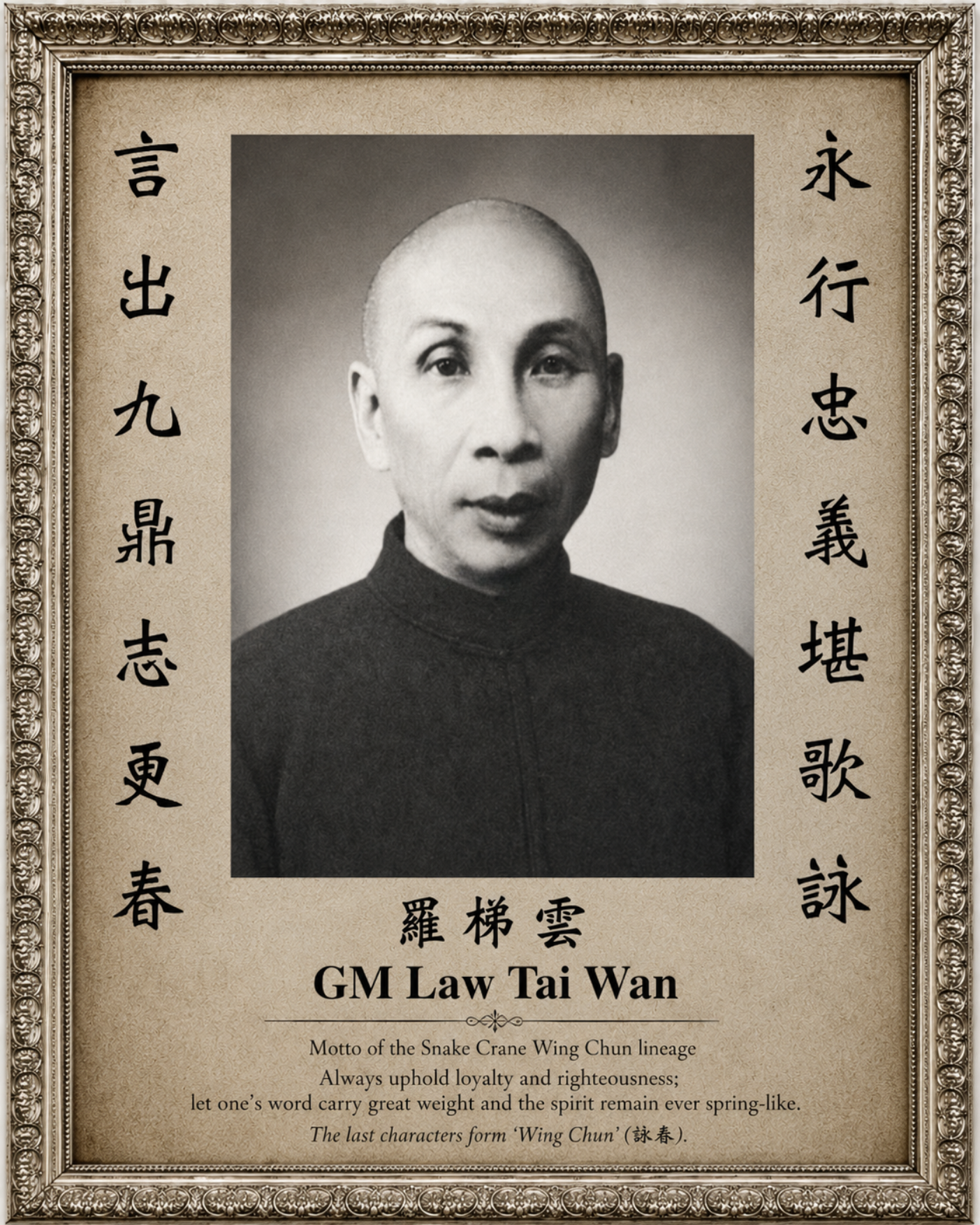
To my astonishment, the man behind the wheel was none other than Grand Master 羅超榮 (Law Chiu Wing), the renowned master of Snake Crane Wing Chun.
The odds were almost unimaginable. Among thousands of taxis travelling through Hong Kong that night, I had stepped into the one driven by a legendary martial artist. What seemed like a simple taxi ride became the turning point that changed the course of my martial arts journey forever.
Not long afterward, I formally performed bai si (拜師) and became Sifu Law’s disciple.
Because of his many commitments, Sifu Law entrusted my early training to his senior student, 李遠 (Lee Yuen). During my first year, Sifu Lee patiently guided me through the fundamentals while Sifu Law visited whenever his schedule allowed. He would carefully observe every movement, correct even the smallest mistakes, and ensure that the art was being transmitted with precision and integrity.
During that time, I introduced three close friends to the school. They also became Sifu Lee’s students, and because he trained us day after day, I naturally came to regard him as one of my own Sifus as well.
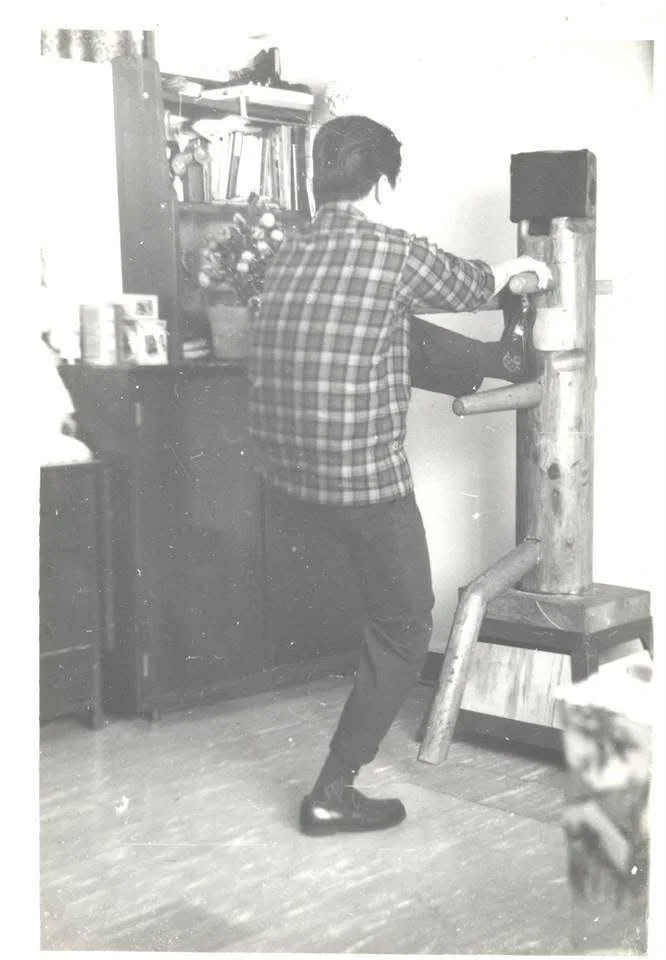
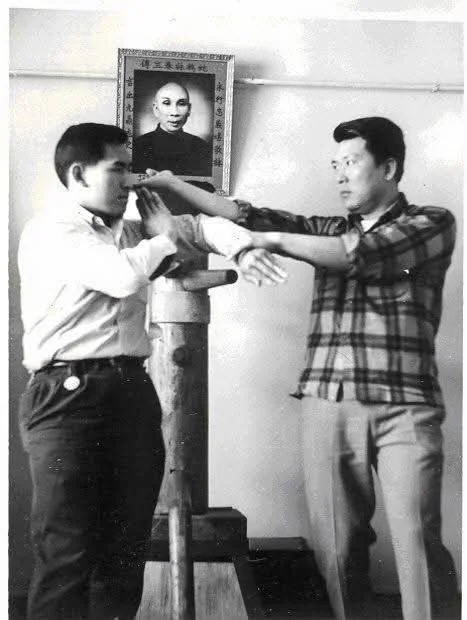
About a year later, Sifu Law resumed teaching more regularly, and my training entered a new phase. Over the next two years, I learned Cham Kiu, Biu Jee, the Wooden Dummy form, and the sophisticated techniques that made Snake Crane Wing Chun such a unique and complete system. Under the combined guidance of Sifu Law and Sifu Lee, my understanding of martial arts deepened beyond anything I had previously experienced.
Eventually, another chapter of my life began. I travelled to Canada to pursue my education, spending three years overseas before returning to Hong Kong after graduation.
Before I left Hong Kong for the second and final time, Sifu Law completed an important stage of my training by teaching me the Six-and-a-Half Point Pole and the Double Swords, advanced weapons that represent some of the highest levels of the Snake Crane Wing Chun system.
More than fifty years have passed since those days, yet the lessons I received from Sifu Law and Sifu Lee remain as vivid as ever. Their teachings shaped not only my understanding of martial arts but also my character, discipline, and outlook on life. Looking back, it is remarkable that one chance encounter with a taxi driver became the doorway to one of the most important relationships of my martial arts journey.
Even today, I often think about that cold Chinese New Year night and wonder whether it was simply coincidence, or destiny, that placed me in the back seat of Grand Master Law Chiu Wing’s taxi.
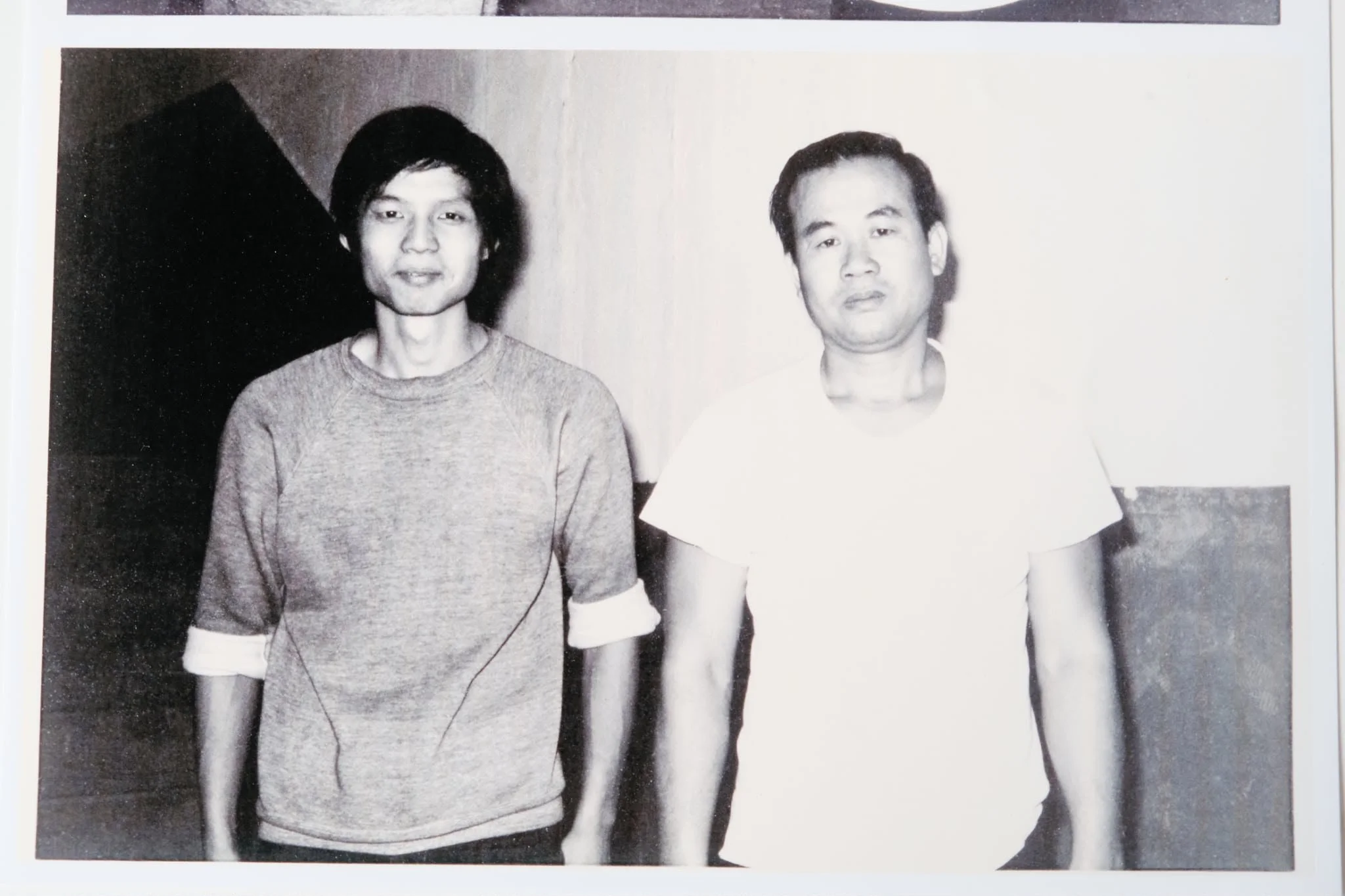
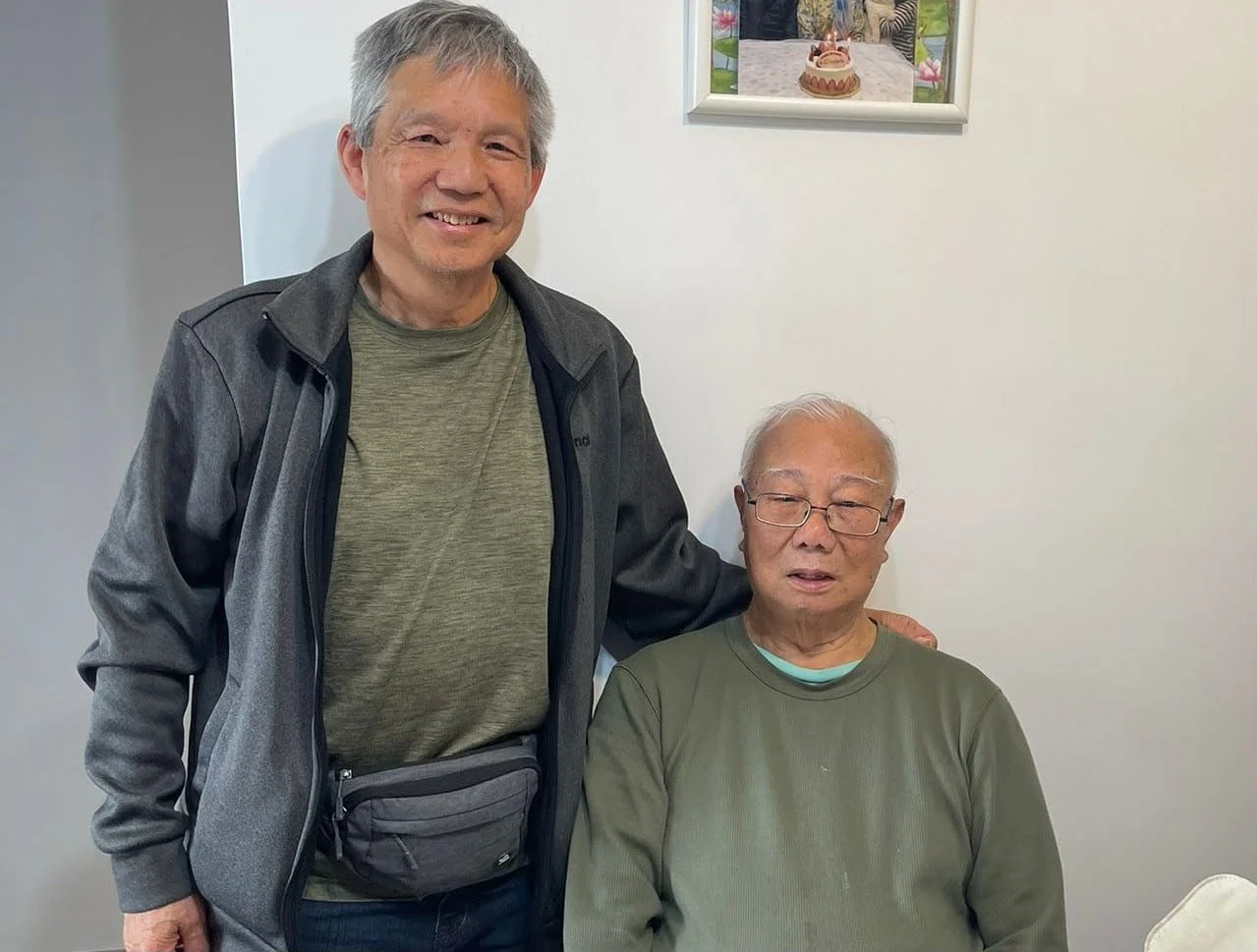
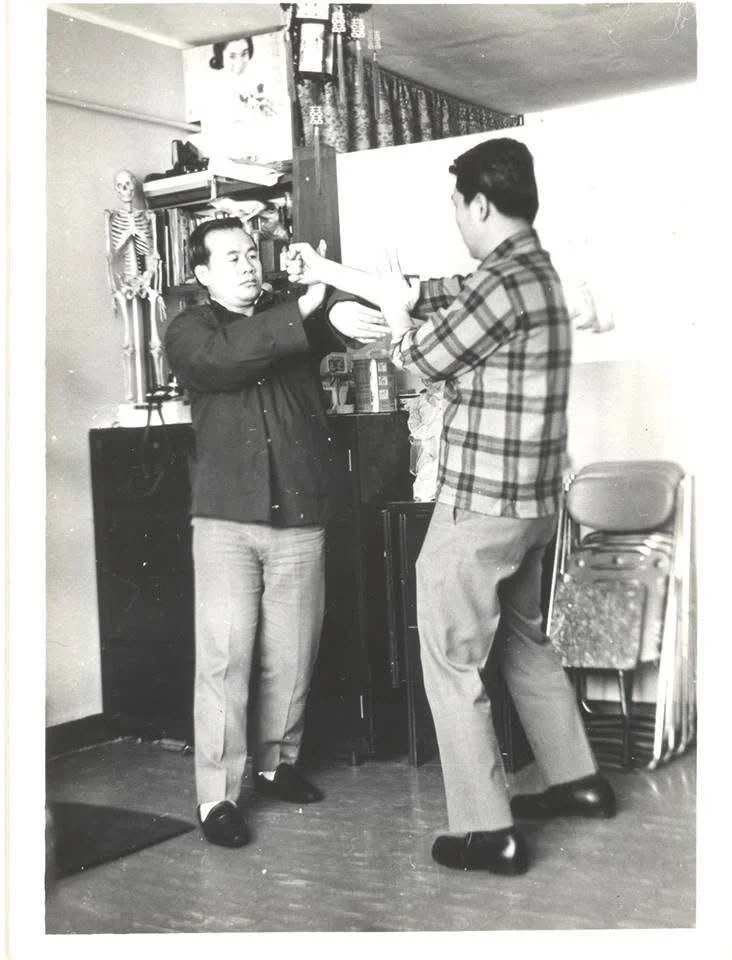
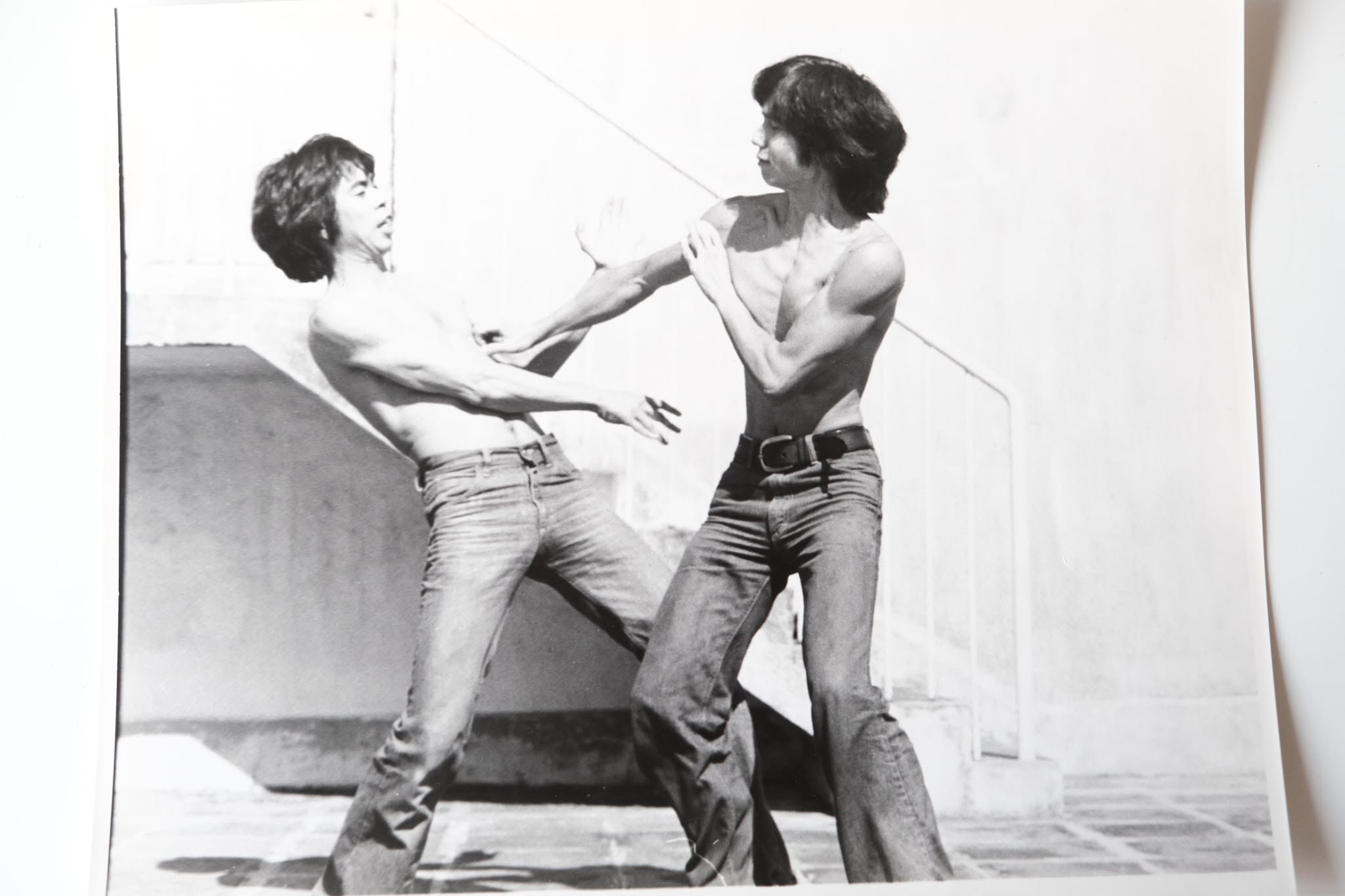
Sifu Rick Wong with his SiHing Lee Yuen
Interview with Wong Sifu – The Legacy of Snake Crane Wing Chun
1. Introduction to Snake Crane Wing Chun
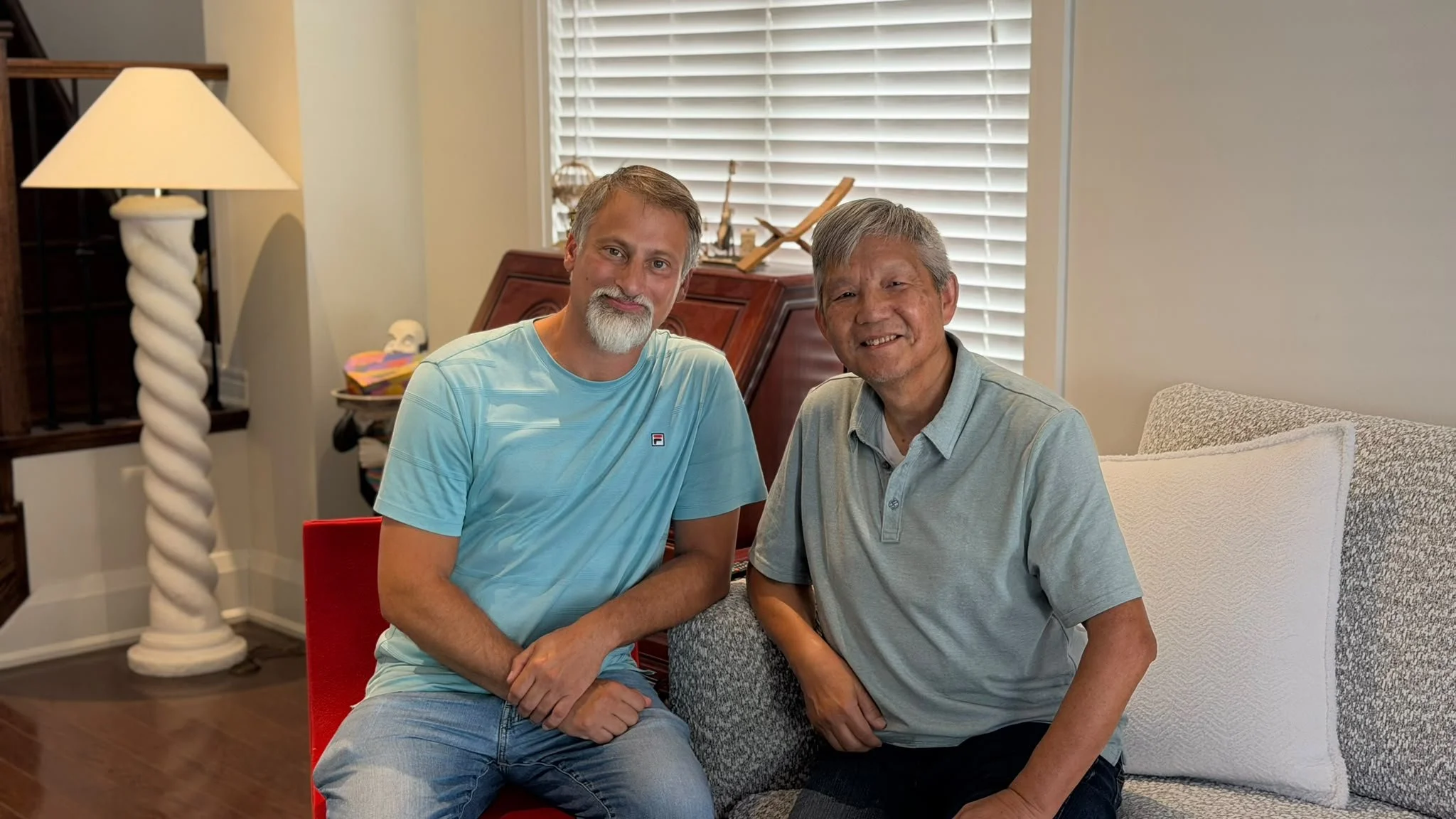
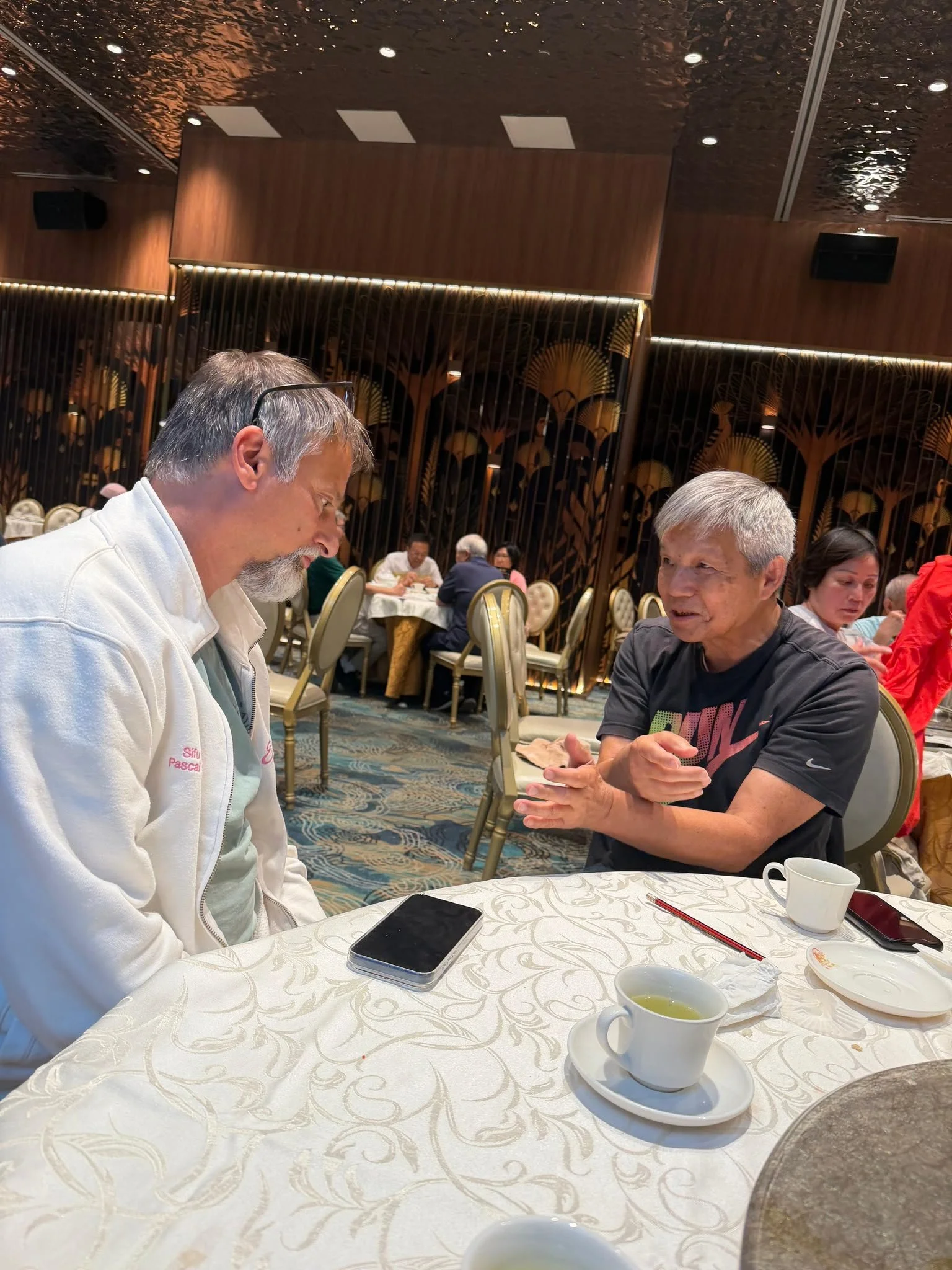
Sifu Sergio Pascal Iadarola: Wong Sifu, thank you very much for taking the time to do this interview. To begin, could you tell us how you were first introduced to Snake Crane Wing Chun, and what led you to enter the Snake Crane Wing Chun Moon under Grandmaster Law Chiu Wing?
Sifu Wong Kwong Lun: At the age of twelve, my father introduced me to Hung Kuen under the legendary Sifu Chan Hon Chung. What began as a childhood activity quickly became a lifelong passion. Over the years, I immersed myself in many disciplines, including Karate, Muay Thai, and Liu He Ba Fa, constantly searching for deeper understanding and greater skill.
One night in the late 1960s, I happened to get into a taxi, and through some casual conversation with the driver, I discovered that the man behind the wheel was none other than Sifu Law Chiu Wing, Grandmaster of Snake Crane Wing Chun.
That chance encounter would alter the direction of my martial arts journey forever. After three months of training with Sifu Law, I convinced myself that this was what I had been looking for.
2. The Bai See Ceremony
Sifu Sergio Pascal Iadarola: Do you remember what year you formally performed the Bai See ceremony with Law Chiu Wing Sifu? Could you share what that moment meant to you and how it marked the beginning of your journey as a disciple?
Sifu Wong Kwong Lun: I think it was most likely in the late 60s or the very beginning of the 1970s.
At first, I was a bit worried about Bai See, as the ceremony is similar to joining an underground society, which was illegal in Hong Kong. But after three months of training with Sifu Law, I had convinced myself that Snake Crane Wing Chun was what I had been looking for. So I went ahead and performed the Bai See.
3. The Internal Nature of Snake Crane Wing Chun
Sifu Sergio Pascal Iadarola: There are still people who claim that Wing Chun is not an internal martial art, and that Snake Crane Wing Chun is no exception. However, over the past years, while learning from you, it became very clear to me that this is not the case. I was already amazed, for example, by the depth of the second and third sections of Siu Nim Tau, with their specialized body mechanics, mental training, and methods of Qi cultivation, mobilization, and sending it into the hands. Could you explain to our viewers a bit about the internal aspects of Snake Crane Wing Chun and why they are such an essential part of the system?
Sifu Wong Kwong Lun: Among the three forms, I like Siu Nim Tau the best. I have been practising it for more than 50 years and I am still learning from it.
When I was young, I practised the external aspects of it, concentrating on power and technique. But now that I am getting older, I am leaning more towards the internal aspects of the form.
The drawback is that you need to have a good Sifu to guide you. Because it is internal, you cannot really see it. You more or less have to feel it and know where to place the Yi. It is difficult to explain. The internal part will teach you how to generate various kinds of Ging, which is quite different from brute power.
4. A Unique Bai See Tradition
Sifu Sergio Pascal Iadarola: We’ve heard from several of Law Chiu Wing Sifu’s disciples that the Bai See ceremony within the Snake Crane Wing Chun family was quite different from the ceremonies commonly seen in the more public Wing Chun lineages. Could you tell us about your own Bai See ceremony and explain some of the traditions involved, such as the red and yellow envelopes and any other customs unique to your lineage?
Sifu Wong Kwong Lun: It was a long time ago. All I remember is that I needed to buy the Bai See package from a specialty store. Traditionally, part of the ceremony would include cutting off the chicken’s head and burning the yellow paper, but I don’t remember if I cut the head off the chicken. I did burn the yellow paper.
5. The Secret Manuscript
Sifu Sergio Pascal Iadarola: You once told me that, in the 1960s, every accepted disciple had to hand-copy the entire secret manuscript from the original by hand. That is a remarkable tradition. Could you tell us why this was done?
Sifu Wong Kwong Lun: This was done to show your willingness and loyalty to the "Mun."
6. Passing on the Art
Sifu Sergio Pascal Iadarola: Although not many people know this, and we kept it to ourselves for quite some time for specific reasons, you and I have been close friends now for some years and have spoken almost daily. What inspired you to pass on the complete Snake Crane Wing Chun system that you learned from Law Chiu Wing Sifu during the 1960s and early 1970s to me?
Sifu Wong Kwong Lun: I am just getting too old now. If I don’t pass it on, the Kung Fu will die with me, which is something I don’t want to see. I believe everything happens for a reason.
I did not actively look for a successor, but you, Sifu Sergio, happened to appear in my path at just the right time, and I think you have the heart and ability to preserve this Kung Fu and pass it on to the right people.
7. Destiny and the Meeting of Teacher and Student
Sifu Sergio Pascal Iadarola: When we first began speaking, you told me that our meeting was not a coincidence but rather "隨姻"—a destined connection. Could you explain what 隨姻 means to you, and why you felt our meeting was guided by destiny?
Sifu Wong Kwong Lun: I believe in "Following Destiny’s Ties" (隨姻). Whatever happens will happen, and everything happens for a reason.
I watched your YouTube Snake Crane Wing Chun videos many years ago, and I found them very interesting because you always have a positive attitude towards Kung Fu and try to find the truth. Not too many people know about me, but you made an effort to locate me and started to ask me the right questions. As far as I am concerned, this happened all for a reason.
8. Learning Under Law Chiu Wing and Lee Yuen
Sifu Sergio Pascal Iadarola: Finally, could you tell us a little about Law Chiu Wing Sifu and your Sihing Lee Yuen as people? What were they like as teachers, what qualities stood out to you, and what lessons—both martial and personal—have stayed with you throughout your life?
Sifu Wong Kwong Lun: Sihing Lee Yuen, I also would like to call him Sifu, as he is the one who taught me from the very beginning. I truly believe that if someone is teaching you Kung Fu, you should show your respect by calling him Sifu. He is a very hardworking person. I remember that at times he was very tired from working late in the restaurant, but he would still teach me and practise with me for hours if I showed up.
Sifu Law was always very serious when teaching. He would call me "Dead Stupid" (死蠢) when I did not understand what he was teaching, but he would always try his best to explain it and make sure I understood. He would take me to various locations to practise with other practitioners, to make sure my skills and techniques were up to par. He is a very low-key person, but he can also be humorous at times.
One of the things he taught me was not to show off my Kung Fu skills, and I have taken that lesson to heart.