The Hidden Martial Roots of Yang and Wu Style Taijiquan (Tai Chi Chuan)
Echoes of the Old Masters: The Hidden Martial Roots of Yang and Wu Style Taijiquan (Tai Chi Chuan)
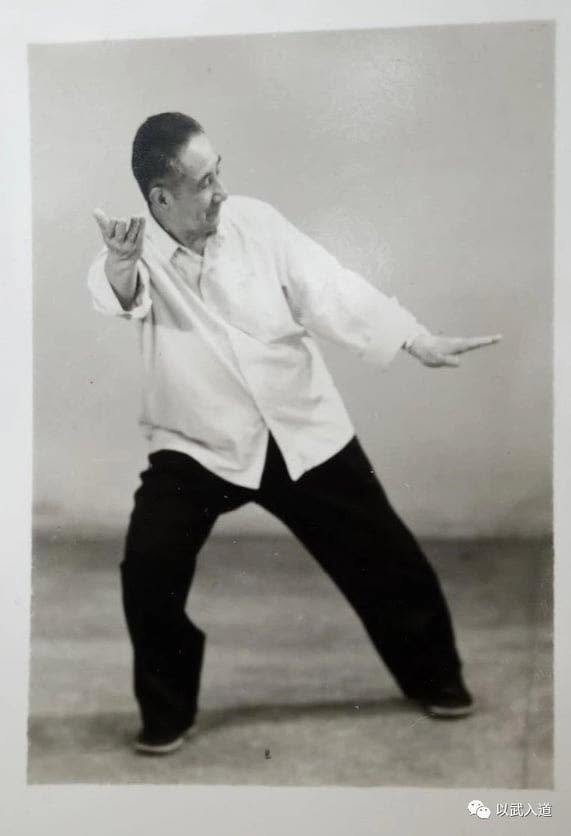
In a deeply fascinating interview, Grandmaster Ma Yueliang pulls back the curtain on a rarely seen chapter of Taijiquan history. He reveals intimate details about the rigorous training and profound relationship between legendary grandmasters Yang Chengfu and Wu Jianquan.
Ma recounts how Yang Chengfu would regularly visit Wu Jianquan’s home—which was also Ma’s residence at the time—to engage in vigorous push-hands (Tui Shou) practice. Behind closed doors, these two titans of the art did not cross hands merely to display form; their sessions were intense, dynamic explorations of martial application and combat sensitivity.
Yet, the most intriguing revelation from Ma’s account lies in the nature of the forms themselves. Ma states that he frequently witnessed Yang Chengfu practicing a highly explosive “Fast Form” (Kuai Quan). Because Yang never taught this rapid, martial routine in public, Ma was convinced that this incredible treasure had vanished from the world.
"I saw Yang Chengfu come regularly to the house of my father-in-law... and saw these two old masters practising together. Many times I saw Yang Chengfu practising the Fast Form... but to my knowledge, Yang taught it to nobody. The Yang Fast Form died with Yang Chengfu."
— Grandmaster Ma Yueliang
A Fortunate Survival: The Legacy Lives On
According to Ma’s observations, the slow, flowing forms so ubiquitous today were actually developed after these highly martial fast forms, which were traditionally reserved for closed indoor circles.
But history has a way of preserving its most valuable secrets. Today, we are incredibly fortunate that Ma Yueliang was slightly mistaken. The Yang Style Fast Form did not die with Yang Chengfu. Instead, Yang Chengfu passed his Fast Frame (the Chang Quan or Long Fist) down to highly dedicated disciples. Today, these rapid, martial sequences are beautifully preserved in the Tian Zhaolin lineage (as its Xiao Jia or Small Frame) and within the Gu Lisheng lineage.
What This Means for Modern Practitioners
This historical insight completely shifts how we view the evolution of Taijiquan. For today's practitioners, this revelation carries three vital takeaways:
A Rediscovery of Explosive Power: Several Taiji lineages taught today, especially within the Yang style, may have gradually lost the rapid, explosive, and highly martial features of the older generation's art. Recognizing this allows practitioners to seek out and reintroduce that missing dynamic energy.
A Shared Martial Heritage: The intense cross-training between Yang Chengfu and Wu Jianquan highlights a deeply interconnected history. It suggests a richer, shared martial DNA between the Yang and Wu families than is often emphasized in modern teachings.
Taijiquan is a Martial Art First: For serious practitioners, the undeniable existence of the Fast Form serves as a powerful reminder. Taijiquan was born on the battlefield. It is, first and foremost, a highly effective martial art, not simply a slow exercise for health and relaxation.
Ultimately, the Wu Style Fast Form and the Yang Style Fast Forms, whether it is the Chang Quan of Yang Chengfu or the Small Frame of Yang Shaohou—are all spectacular, interconnected sets. Despite their stylistic evolutions, they remain remarkably similar, echoing the profound martial brilliance of their shared source: Yang Luchan’s original form.